Welcome to iGet Into PC your best source for latest version of software and tutorials for PC, Macintosh and Linux.
Fire Alarms That Help Protect Property and Ensure Early Detection
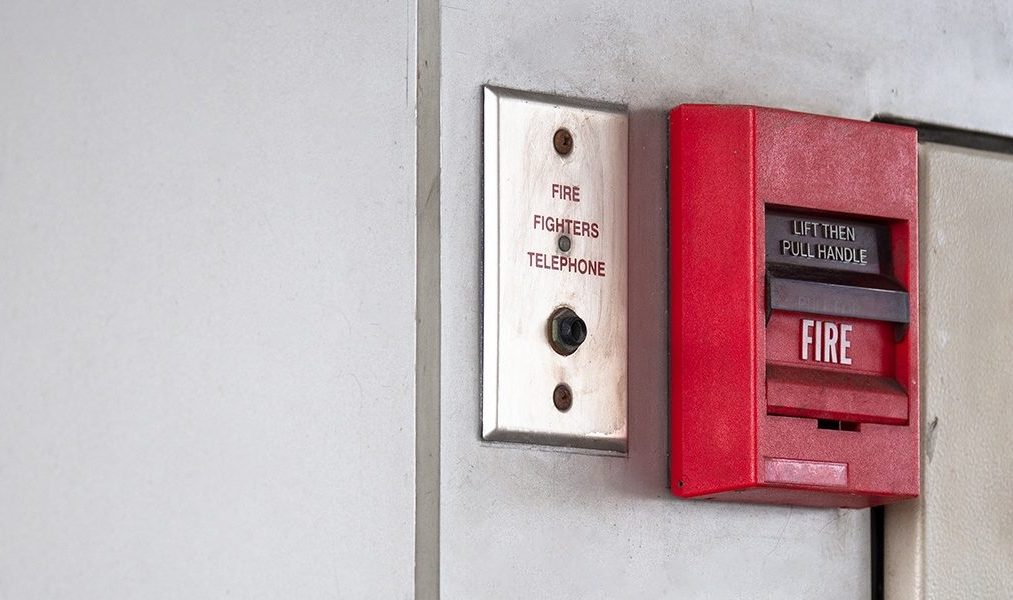
Modern fire alarm systems represent one of the most critical investments for property protection and occupant safety. These sophisticated detection systems provide essential early warning capabilities that can prevent catastrophic losses while ensuring rapid emergency response. Understanding the comprehensive benefits of advanced fire alarms technology helps property owners make informed decisions about their safety infrastructure.
Advanced Detection Capabilities Transform Safety Standards
Contemporary fire alarm systems utilize multiple detection technologies that identify various fire characteristics within seconds of ignition. Smoke detectors, heat sensors, and flame detection devices work together to provide comprehensive coverage that addresses different fire types and environmental conditions.
Multi-sensor technology eliminates false alarms while ensuring genuine threats receive immediate attention. These systems analyze multiple environmental factors simultaneously, distinguishing between actual fire conditions and common false alarm triggers like cooking vapors or steam. This sophisticated analysis prevents unnecessary emergency responses while maintaining reliable fire detection capabilities.
Addressable fire alarm systems provide precise location identification that guides emergency responders directly to affected areas. Each detector communicates specific location information to central monitoring stations, enabling faster response times and more effective emergency management during critical situations.
Comprehensive Property Protection Benefits
Early detection capabilities significantly reduce fire damage by alerting occupants and emergency services before flames spread extensively. Studies indicate that properties with advanced fire alarm systems experience 60% less fire damage compared to locations without comprehensive detection coverage.
Automatic notification systems contact emergency services immediately upon detection, eliminating human response delays that could prove costly during fire emergencies. These systems provide detailed location information to fire departments, enabling faster arrival times and more targeted emergency response efforts.
Integration with building systems enables automatic responses that enhance property protection. Modern fire alarms can trigger sprinkler systems, unlock emergency exits, activate emergency lighting, and shut down ventilation systems to prevent smoke spread throughout affected buildings.
Business Continuity and Insurance Advantages
Professional fire alarm systems demonstrate proactive risk management that insurance providers recognize through reduced premium rates. Many insurance companies offer substantial discounts for properties equipped with monitored fire detection systems, often offsetting installation costs through long-term savings.
Regulatory compliance benefits ensure businesses meet safety requirements without ongoing monitoring concerns. Professional fire alarm systems maintain continuous compliance with local fire codes and safety regulations, providing documentation required for inspections and regulatory audits.
Reduced business interruption risks protect revenue streams during fire emergencies. Early detection minimizes fire damage that could force extended business closures, protecting operational continuity and customer relationships during challenging circumstances.
Enhanced Emergency Response Coordination
Central monitoring services provide 24-hour supervision that ensures immediate response regardless of building occupancy. Professional monitoring stations receive instant alerts and coordinate appropriate emergency responses without relying on occupants to notice and report fire conditions.
Emergency communication systems guide occupants through safe evacuation procedures using clear audio instructions and visual indicators. These systems reduce confusion during emergency situations while ensuring all occupants receive consistent safety information throughout evacuation procedures.
Maintenance monitoring capabilities track system performance and identify potential issues before they compromise fire detection capabilities. Professional maintenance services ensure optimal system performance through regular testing and component replacement that maintains reliable operation over extended periods.
Investment Protection Through Modern Technology
Advanced fire alarm systems offer expandable configurations that accommodate building modifications or enhanced safety requirements. Property owners can add additional detectors, upgrade notification devices, or integrate new safety technologies without replacing existing infrastructure investments.
Remote monitoring capabilities enable property managers to oversee multiple locations from centralized management systems. This technology provides real-time status updates and maintenance alerts that ensure consistent fire protection across all managed properties.
Comments are closed.


